
Iron & Steel
Aluminium
Copper
Industrial Minerals
Battery Raw Materials
Jaggaer vs Metalshub: Which Platform Fits Raw Material Procurement
 Written bySamir Jaber
Published on
Share Post
Iron & Steel
Aluminium
Copper
Industrial Minerals
Battery Raw Materials
Written bySamir Jaber
Published on
Share Post
Jaggaer and Metalshub both help procurement teams source more effectively, but they are built for different types of direct spend.
Jaggaer is a source-to-pay platform built for manufacturers who source components against a bill of materials (BOM), in which each part has a number, an engineering specification, and an approved supplier. Metalshub is built for raw material procurement, where a steel mill, foundry, or manufacturer buys metals, ferroalloys, scrap, and minerals by grade and chemistry, in lots, at prices often linked to a market index rather than fixed per part.
Jaggaer and Metalshub are both built for direct spend, so the difference is not depth against breadth, as in other cases like SAP Ariba, Ivalua, or Coupa. It is the kind of buying each is designed around. Jaggaer is built for sourcing manufactured parts against a bill of materials. Metalshub is built for sourcing commodities by specification, chemistry, and index-linked pricing across a network of raw material suppliers.
That difference runs through every part of the workflow, from how a purchase is defined to how offers are compared and compliance data is captured. The table below outlines where the two platforms diverge in raw material procurement.
| Jaggaer | Metalshub | |
| Core purpose | Source-to-pay suite for direct and indirect enterprise spend | Purpose-built platform for sourcing raw materials in metals, mining and recycling |
| Direct materials model | BOM-driven sourcing tied to production and MRP | Specification and chemistry-based buying by lot |
| Supplier base | Buyer’s own approved, qualified vendors | Buyer’s supplier base + Pre-vetted, KYC-checked suppliers |
| Supplier discovery | Onboarding and qualification of known vendors | Active network for discovering new suppliers |
| Product pricing logic | Negotiated unit costs and cost breakdown structures | Index-linked formulas, multi-element pricing and offer normalisation |
| Price discovery | Sourcing events against an approved vendor list | Active supplier network for competitive price discovery |
| Tenders and auctions | RFx and reverse auctions for part-based spend | Public and private tenders and auctions built around raw material specs |
| Supplier quality | SCAR, APQP and PPAP workflows for manufactured parts | Company ratings from transaction history and linked certificates |
| Compliance and carbon | Supplier ESG and Scope 3 data collection | Transaction-level CO₂ and CBAM data in the offer workflow |
| Analytics | Category spend and part cost breakdowns | In-depth analytics including purchase price variance, offer normalisation and win-ratio |
| ERP integration | Connectors to 40+ ERP systems | Connects to ERP and indirect procurement software via API |
| Onboarding | Configured rollout, commonly several months | Typically weeks, without external consultants |
Jaggaer is a source-to-pay platform founded in 1995 and based in Durham, North Carolina. It is owned by Vista Equity Partners and sells into complex industries including manufacturing, automotive, higher education, and the public sector.
The platform, JAGGAER One, unifies sourcing, contracting, supplier management, eProcurement, invoicing, and spend analysis into a single system. It handles both indirect and direct spend, and Gartner placed Jaggaer as a Visionary in its 2026 Magic Quadrant for Source-to-Pay Suites, citing its AI-powered platform and depth in complex direct-materials procurement.
What sets Jaggaer apart from indirect-first suites is that its direct materials capability is built in rather than added on top. Direct materials run as a first-class workflow, covering:
The direct sourcing tools are built around the way manufacturing procurement actually works. RFQs can be created from dynamic templates, data libraries, and the material master held in SAP, and cost breakdown structures split a quoted price into material, manufacturing, and logistics costs for precise like-for-like comparison.
Metalshub is a digital platform purpose-built for the metals, mining and recycling industry. It digitalises the commercial workflows involved in buying, selling and trading physical raw materials, from iron and steel to copper, aluminium, battery metals, scrap, and industrial minerals. More than 3,000 industry participants use the platform, including the likes of Outokumpu, RHI Magnesita and GMH Gruppe.
The platform is organised into three solutions that follow the raw material supply chain:
Where most procurement tools work only with a buyer’s existing suppliers, Metalshub adds an active supplier network. Buyers access a large ecosystem of pre-vetted counterparties, each with KYC checks and a platform-wide rating built from past transactions, so procurement teams can discover new suppliers and put them in competition rather than only managing the base they already hold. Buyers using the Procurement Solution have added an average of nine new suppliers and reduced direct raw material costs by 2.3% per year.
Raw material buying also carries a heavy compliance and reporting load, and the platform’s analytics are shaped around it. Every enquiry, offer, negotiation round, and award is stored as structured data, giving a complete and auditable record of how a purchase was made. Sustainability data, such as CO₂ footprint and CBAM information, is captured within the offer workflow rather than added afterwards.
Building on this structured foundation, Metalshub AI captures commercial intent—such as technical specifications, price enquiries, and multi-round negotiations—by converting unstructured communications (e.g., via Text2Platform) into structured platform data, preserving domain context and institutional memory.
Additionally, through Metalshub MCP, enterprise AI assistants (such as ChatGPT, Claude, and Copilot) use the open Model Context Protocol to securely connect to live Metalshub data without custom integrations. This enables surgical data retrieval for spend analysis, counterparty shortlisting, and negotiation assistance (such as drafting counter-offers) under strict data privacy controls and human oversight.
The sections below examine how the two platforms compare to one another in raw material procurement, starting with the unit of purchase itself, where a part number and a commodity lot call for very different workflows.
The clearest divide between the two platforms is the unit of purchase each is built around. Jaggaer is built on the bill of materials. A production forecast is multiplied by BOM quantities, current inventory is subtracted, and the net requirement flows through MRP, which explodes the BOM into component-level demand that drives purchase orders.
Metalshub is built for the opposite starting point, where procurement does not begin with a bill of materials at all. On Metalshub, a steel mill or foundry buys ferroalloys, scrap, pig iron, or industrial minerals by specification and chemistry, in defined lots. Much of that buying is priced against a market index, often through formulas that adjust monthly or quarterly, alongside fixed-price and spot deals. The decision turns on grade, quality tolerance, origin, and delivery terms.
A component has a part number, an approved supplier, and a unit cost that holds until the next contract, which Jaggaer models in depth. A commodity of a given grade has several competing sources, a specification that varies within tolerance between suppliers, and a price that must be normalised across currencies, Incoterms, payment terms, and chemistry before two offers can be compared, which Metalshub structures into every enquiry.
“We have been looking for the best partner to digitise our sourcing process and have decided that the Metalshub supply chain solution is the best option for us when considering raw material sourcing. We see this shift as a necessity to ensure a documented, transparent, and compliant sourcing process.”
Jaggaer operates within a buyer’s existing supplier base. It onboards, qualifies and manages vendors an organisation has already approved, with supplier quality workflows keeping those relationships auditable. For part-based sourcing, this is sound, since a qualified parts vendor is not easily interchangeable, and switching one can mean requalification, retooling, and fresh PPAP approval.

Metalshub is built for the moment a buyer needs to look beyond that base. A mill facing a supply disruption, a new grade requirement, or a volatile market wants more competitive offers. Metalshub gives it access to a network of pre-vetted counterparties, each with KYC checks and a rating built from past transactions. Teams discover new suppliers and run competitive enquiries, onboarding nine on average.
Price discovery follows from that reach. A competitive enquiry across several qualified suppliers is how a buyer learns where the market sits that week, and Metalshub runs public and private enquiries, tenders and reverse auctions built around raw material specifications. Jaggaer runs sourcing events and reverse auctions, too, but only against an approved vendor list and a negotiated cost baseline, which tests a known supply base rather than finding the market price across a wider pool.
Jaggaer is a large, configurable suite, and that depth carries a setup cost. Independent reviews consistently describe a steep learning curve and a configuration-heavy rollout, since the platform has to be shaped to each organisation before it fits. Jaggaer’s own guidance points to a single sourcing module going live in around three to four months and a full source-to-pay programme taking longer.
Support tends to divide by customer size. Large enterprises with a dedicated customer success manager report strong support, while mid-market buyers on ticket-based support more often report slow responses and unclear ownership.
Metalshub reaches value faster because it is built only for raw material procurement; buyers can be live within weeks, with no consultant-led configuration project. The workflows for specification-based buying, offer normalisation and index benchmarking are already in place, so there is less to build and less to learn.
Jaggaer’s analytics are built around manufacturing spend. Spend analysis classifies purchases against category hierarchies and shows spend by category, supplier, entity, and period, while its direct materials analytics break a quoted part price into material, manufacturing, and logistics costs. For a manufacturer managing component costs across a BOM, that is the right lens.
Metalshub measures a different thing, because raw material buyers are judged against a moving market rather than a fixed budget. What matters is how a purchase compares to the market index on the day, how competing offers rank once normalised, and how much a negotiation saved. Metalshub embeds these in the sourcing workflow:
Performance tracking is centralised in the Analytics Centre, which integrates Savings Dashboards, ESG Insights, and Team Analytics into a single layer to monitor realised savings, supplier concentration, and compliance.
“We run a rigorous programme for continuous improvement and lean processes and with Metalshub we achieved high efficiency in our raw materials procurement management and have saved a significant amount because of the competitive nature of our tendering process.”
The right platform depends on what a procurement team spends most of its time and money buying. The two are not direct substitutes, because they are built around different kinds of direct spend.
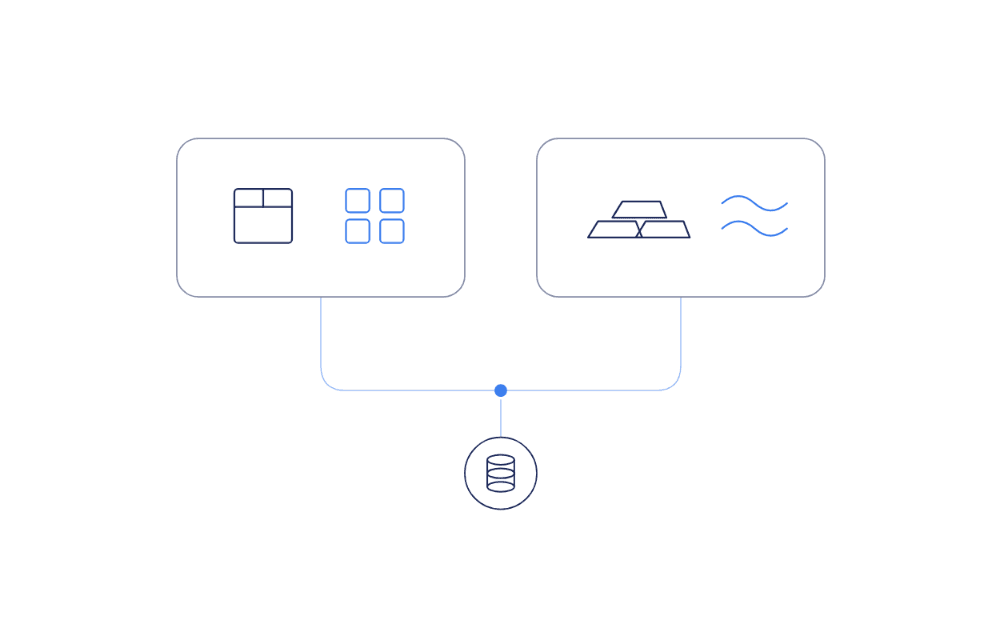
Metalshub and Jaggaer often solve different problems inside the same business at the same time. Jaggaer governs total enterprise spend, from BOM-driven direct materials to indirect goods and services. Metalshub governs raw material sourcing, where price moves with the market and material is bought by specification and traded across a vetted supplier network.
Neither competes for the other’s workflow. Jaggaer owns part-based direct spend, Metalshub owns commodity direct spend, and both feed the same ERP, so the specialist layer connects to the wider source-to-pay system.
A source-to-pay suite for the business and a specialist platform for raw materials each do the job they were built for. Book a demo to see how the Metalshub Procurement Solution digitalises raw material sourcing from supplier discovery to contract.
Ready for More Information?
Discover how Metalshub can streamline your procurement, sales, or tolling processes. Contact us and book your demo now for a firsthand look.
Jaggaer serves manufacturing, automotive, higher education, and the public sector, with particular strength in discrete manufacturing where bills of materials drive component sourcing. Metalshub is built for the metals, mining, and recycling industry, covering iron and steel, copper, aluminium, battery materials, scrap, and industrial minerals.
For a horizontal source-to-pay suite, the closest alternatives are Coupa, SAP Ariba, Ivalua, GEP SMART, and Zycus, which compete on breadth of spend coverage and enterprise configurability. For raw material sourcing specifically, the alternative is a specialist platform such as Metalshub, which is built for commodity buying and supplier discovery rather than part-based direct spend.
It depends on what else the organisation buys. A company with significant indirect spend, services and BOM-driven direct materials will still want a source-to-pay suite to govern all of it. Metalshub covers raw material sourcing within that wider picture, so for most manufacturers the two are complementary rather than mutually exclusive.
Newsletter
insights

September 17, 2026
Read more


September 11, 2026
Read more


September 10, 2026
Read more