
Battery Raw Materials
Iron & Steel
Aluminium
Copper
Industrial Minerals
SAP Ariba vs Metalshub: Best Raw Material Procurement Platform

Published on
Share Post
Battery Raw Materials
Iron & Steel
Aluminium
Copper
Industrial Minerals
Published on
Share Post
If your core spend is commodities, minerals, metals, ores, scrap, or battery raw materials, the question is not which procurement platform has more modules. It is whether the platform is built to accommodate the commercial realities of raw material sourcing, from volatile pricing to specification-based buying and multi-entity sourcing.
This page compares SAP Ariba and Metalshub against those realities, highlighting where a general procurement suite differs from a platform purpose-built for raw material procurement and sales.

Raw material procurement is not indirect spend. It requires:
General procurement software is not built around these realities. Metalshub is.
If raw materials drive cost, risk, and supply security, a platform built for that reality matters.
“We have been looking for the best partner to digitise our sourcing process and have decided that the Metalshub supply chain solution is the best option for us, when considering raw material sourcing.”
| SAP Ariba | Metalshub | |
| Platform category | General procurement suite | Raw material procurement platform |
| Primary audience | Indirect + direct procurement across all industries | Buyers and sellers of raw materials |
| Supplier fees | Transaction fees start once volume > €43,250/year | No supplier fees |
| Material taxonomy | Not native to commodities | Industry-specific specifications for metals, minerals, scrap and other raw materials |
| Implementation | Months, via SAP partners (e.g. Accenture) | Weeks, no external consultants required |
| Analytics | Limited for commodities and requires customisations | Off-the-shelf benchmarks and raw material-specific analytics |
| Collaboration | Buyer-centric workflows. Suppliers typically require separate logins per customer relationship | Shared workspace for buyers and vetted suppliers within one network |
| Multi-entity sourcing | Requires configuration | Built into the core workflow for industrial groups |
SAP Ariba is designed to manage procurement across all spend types, from facilities and logistics to IT services and indirect materials. It is a horizontal procurement suite.
Metalshub is built specifically for raw material procurement and sales. The platform’s functionalities and design reflect how commodities are actually sourced: By specification, lot size, delivery terms, and negotiated pricing.
SAP Ariba charges suppliers once their annual business with a buyer exceeds €43,250 and at least five documents have been exchanged. The fee ranges from 0.155% to 0.35% per transaction.
In raw material procurement, a single shipment exceeds this threshold. As a result, nearly every supplier pays recurring fees when trading through Ariba.
These fees are often built into supplier pricing and therefore passed on to buyers as a hidden cost, separate from the buyer’s own licence and implementation fees. Implementations frequently reach several hundred thousand euros and typically require external consultants.
Metalshub does not charge suppliers to participate or transact. This removes financial barriers, improves supplier adoption, and supports more competitive sourcing.
Ariba’s supplier network is cross-industry and category-agnostic. Metalshub’s network is sector-specific, encompassing metals, battery precursors, ores, scrap, carbon products, ferroalloys, refractories, and related raw material inputs. This results in higher sourcing relevance, verified counterparties, and a network built for industrial buyers.
SAP Ariba’s user interface and interaction model reflect its origins within the SAP ERP ecosystem. While powerful, the experience is often described as complex and configuration-heavy, particularly without guided-buying frameworks and ongoing administration. This is reflected in its reported Net Promoter Score (NPS) of around –15, indicating more detractors than promoters among users.
Metalshub was designed as a modern, state-of-the-art software platform built by a focused, industry-native team. The user experience is tailored to the workflows of procurement managers and traders in metals and industrial production. Teams can run enquiries, compare offers, and track negotiations from day one. Metalshub’s NPS of 36 reflects stronger user satisfaction and faster adoption. Such a gap in user satisfaction reflects how differently the two platforms are experienced in day-to-day procurement work.
“Metalshub is user-friendly and specifically developed for raw materials procurement with all its particularities. It saves us time, and it gives me peace of mind that all compliance requirements have been met. We have even discovered new suppliers, which resulted in cost savings.”
SAP Ariba does not provide native tools for establishing historical price baselines, tracking purchase price variance (PPV), or benchmarking commodity prices. These insights typically require external data sources or custom reporting.
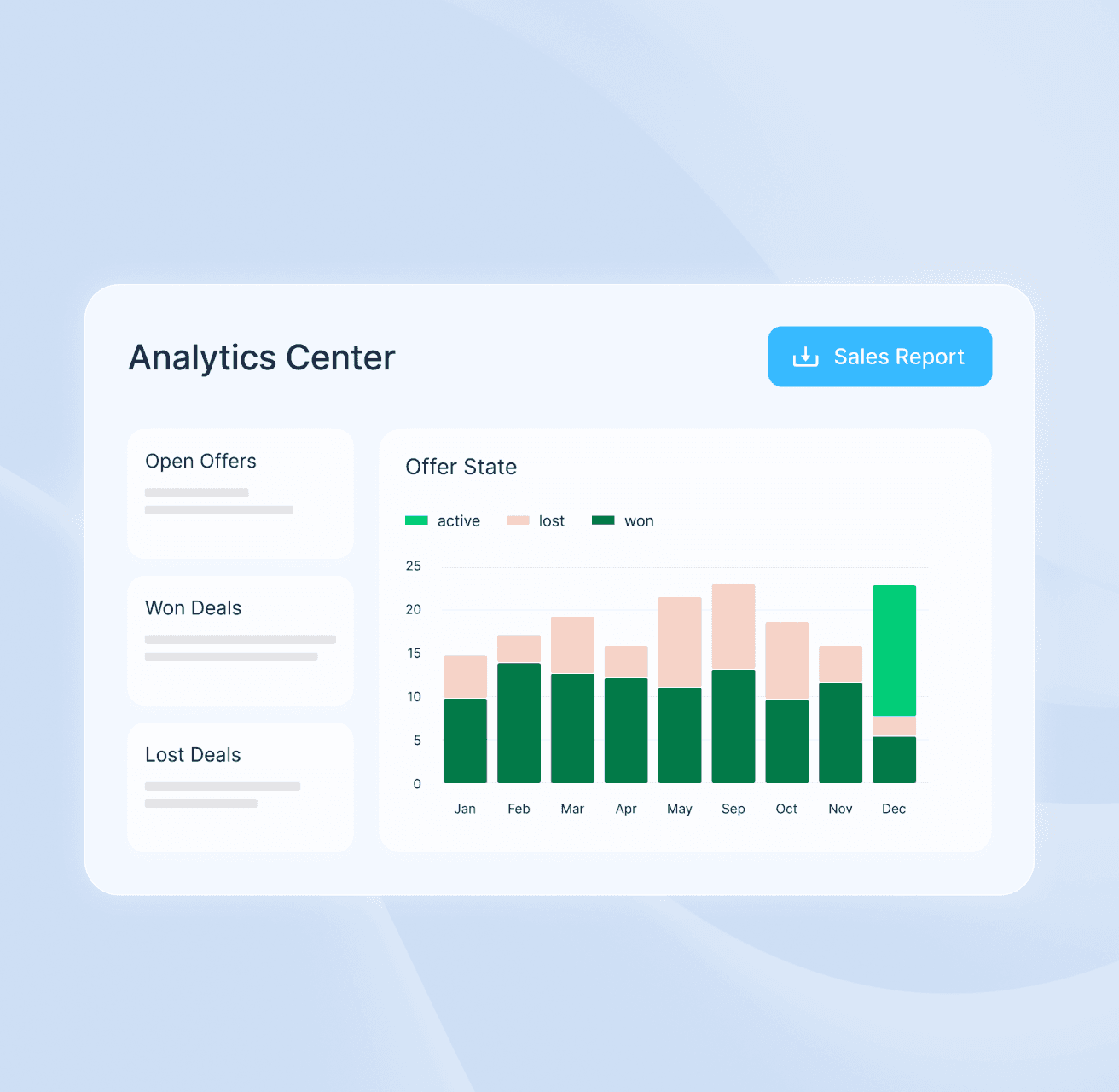
Metalshub includes built-in analytics designed for raw materials procurement. This includes PPV analysis, showing how negotiated prices compare to historical levels, market benchmarks, and internal targets. In addition, teams can track price development over time, negotiation savings, and offer-to-order conversion rates, all within the sourcing workflow.
SAP Ariba can support multi-entity procurement structures, but this typically requires upfront configuration, data modelling, and ongoing administration to reflect legal entities, purchasing organisations, and approval hierarchies accurately. Changes to organisational structures often involve additional setup and testing.
Metalshub supports multi-site and multi-entity sourcing out of the box. Procurement teams can manage sourcing activities across regional plants, smelters, mills, or foundries within a single environment, while maintaining clear ownership, approval flows, and reporting at both local and group levels. This aligns closely with how industrial groups organise raw material procurement in practice.
SAP Ariba’s workflows are primarily buyer-centric. While sourcing events and documentation are managed in the system, supplier communication and negotiation often revert to email or bilateral exchanges. Suppliers typically operate in a one-to-one setup, requiring separate access and interaction per customer relationship, which fragments communication and makes end-to-end traceability harder to maintain.
Metalshub is designed as a shared workspace for buyers and suppliers within one network. Negotiation, messaging, offer exchange, documentation, and contract tracking all take place inside the platform. Every action is timestamped, attributable, and linked to an approved counterparty, creating a complete and auditable record of each transaction.
This approach has proven particularly valuable during audits. As Nicholas Bolton, Purchasing Manager at Eurac Poole, explains: “We have seen a huge benefit when auditors need to access our data. Auditors such as the IATF were able to access everything they needed directly in Metalshub. Every trade was conducted with an approved supplier, and the data was clearly structured. Anything done outside the platform always required additional checks.”
SAP Ariba integrates deeply with SAP S/4HANA and other SAP products, making it a natural extension for organisations running a full SAP landscape. This depth of integration often comes with tighter coupling to SAP-specific data models and processes.
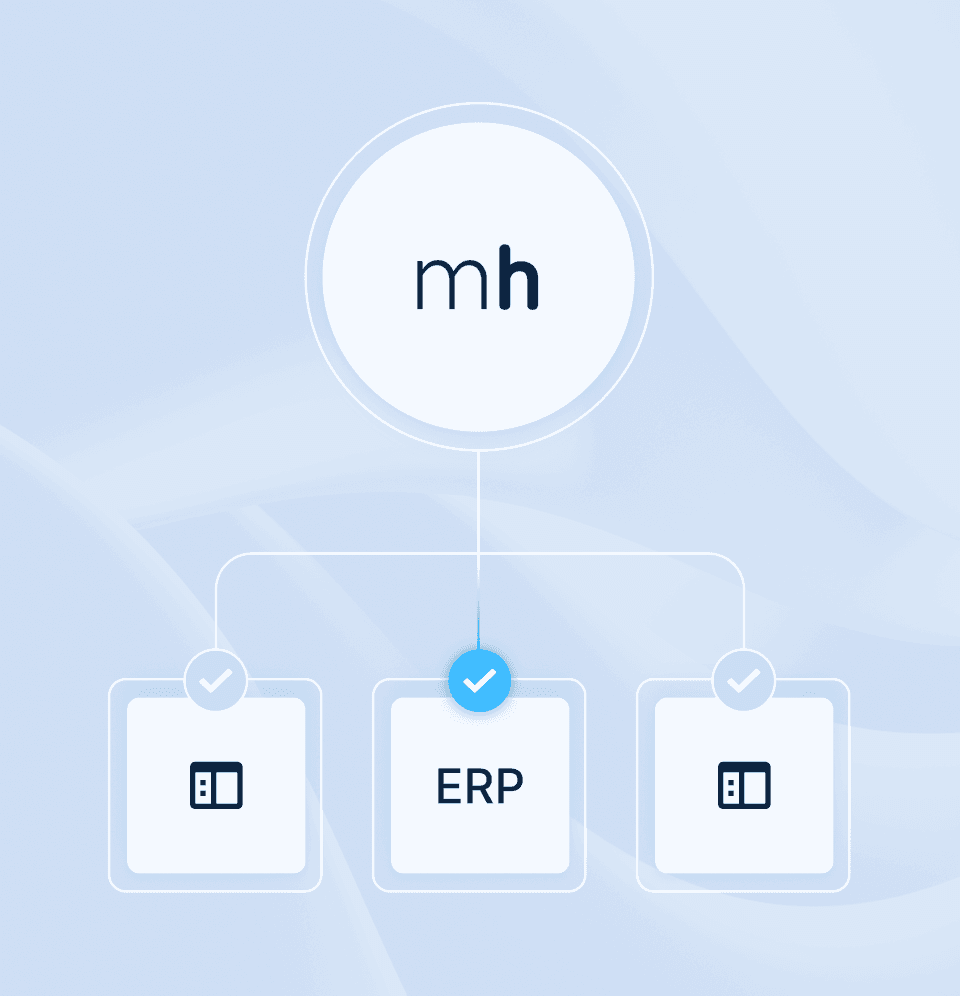
Metalshub connects to SAP as well as other ERP systems via standard APIs. It does not require a full SAP ecosystem to operate effectively. This flexibility is particularly relevant for mid-market companies, industrial groups with multiple ERP systems, or organisations transitioning between ERP environments. Metalshub integrates into existing system landscapes without driving additional ERP dependencies.
SAP Ariba implementations are typically delivered by large consulting firms such as Accenture, Tata Consultancy Services, or other certified SAP partners. Projects often span several months and involve extensive configuration, data mapping, change management, and technical integration. This approach provides enterprise-grade control but comes with higher upfront cost, longer timelines, and greater internal coordination.
Metalshub is delivered as a ready-to-use platform designed specifically for raw material procurement and sales. Onboarding typically takes weeks rather than months and does not require third-party consultants. Teams can start running live sourcing events quickly, reducing time-to-value and overall implementation effort.
“We are confident to have found in our partnership with Metalshub the next step in our digitalisation journey. By partnering with Metalshub, RHI Magnesita will further improve our internal and external raw material procurement processes. This strategic partnership goes beyond the implementation of a digital solution; this is preparing RHI Magnesita for the procurement landscape of tomorrow.”
Discover how Metalshub can streamline your procurement, sales, or tolling processes.
Contact us or book your demo now for a firsthand look.
Yes. Some organisations use Metalshub specifically for raw material procurement while continuing to run SAP Ariba for indirect spend. Metalshub integrates into existing ERP landscapes without replacing broader procurement systems.
Yes. Metalshub is designed for industrial groups with multiple legal entities and production sites. Sourcing can be managed centrally or locally, with clear ownership, approvals, and reporting across entities.
Yes. All sourcing, negotiation, and contracting activity is captured in a single, auditable workflow and linked to approved counterparties. This supports internal governance and external audits, including industry-specific requirements.
Metalshub is used by procurement teams, traders, and commercial managers responsible for raw material sourcing, sales, or tolling, in companies of all sizes, from SMBs to large industrial enterprises. The platform supports both day-to-day execution and performance analysis.
Newsletter
insights

February 02, 2026
Read more
January 29, 2026
Read more
January 22, 2026
Read more